
About this Work Stream
The “Beyond Extractivism” workstream explores how to move beyond extractivism in the context of the energy transition. It will discuss what policy choices, institutional reforms, and technological pathways could accelerate decarbonization while minimizing the social, environmental, and geopolitical harms linked to resource extraction. It will cover Indigenous and local rights, sacrifice zones, supply chain transparency, demand reduction, and governance reform.
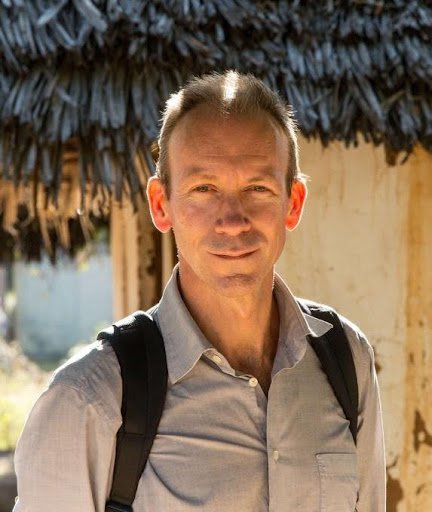
Philippe Le Billon
Professor at the University of British Columbia
Philippe Le Billon is a Professor at the University of British Columbia with the Department of Geography and the School of Public Policy and Global Affairs. He holds a PhD in Geography (Oxford). A political ecologist, he works on linkages between environment, development and security with a focus on resource-related conflicts. He currently works on the ‘green transition’, environmental defenders, and ocean sustainability. His publications include Wars of Plunder: Conflicts, Profits and the Politics of Resources (Oxford UP, 2013), Oil (Polity Press, 2017 with Gavin Bridge), Environmental Defenders: Struggles for Life and Territory (Routledge, 2021 with Mary Menton), and most recently The Great Green Grab, Climate Extractivism and Resource Imperialism (Hurst, 2026), see also Google Scholar profile.
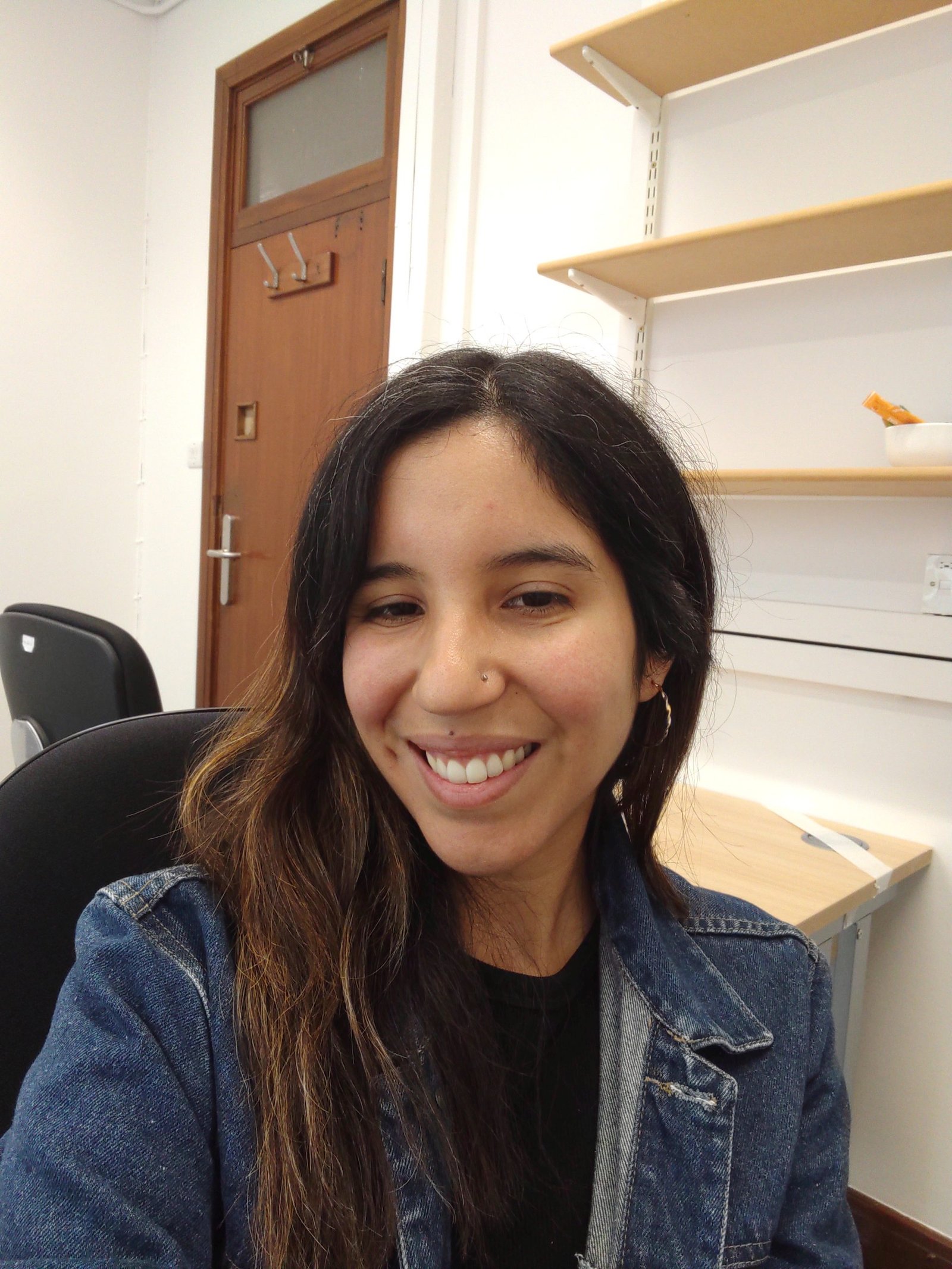
Gabriela Cabaña
Sociologist and Athropologist
Gabriela Cabaña is a sociologist and anthropologist with a PhD from the London School of Economics and Political Science. Her expertise is on social-ecological conflicts related to energy infrastructure, which she approaches from a critical and decolonial perspective. She has done research on green hydrogen in Chile and its relation to the emergence of green sacrifice zones. She is currently project manager in advocacy and environmental democracy issues at Ciudadanía Inteligente, a Latin American NGO working for the strengthening of democracy.
She is also a member of the Chilean chapter of the Pacto Ecosocial e Intercultural del Sur, a collective initiative by organisations and individuals from Latin America that aims to transform the current model of civilisation in the face of the climate crisis.
Agenda
10:00 – 10:15
Welcome
10:15 – 10:20
Explanation of agenda and format of debate
10:20 – 11:20
Proposals to reduce economic dependence from fossil fuels in the energy sector (transport, industrial policies, heating, cooling and domestic consumption).
11:20 – 12:20
Proposals to reduce economic dependence from fossil fuels in other sectors (agrifood systems, global value chains, plastic, clothes, petrochemicals, etc.)
12:20 – 14:00
Lunch (corridor of the Mar Caribe Building)
14:00 – 15:00
Proposals to protect the rights of Indigenous peoples, traditional communities, peasants, Black people, quilombolas and fishing communities, and to guarantee their right to common land and territorial self-determination.
15:00 – 16:00
Proposals for rebuilding environmental regulation, ending, restoring and repairing existing sacrifice zones and avoid the creation of new ones be it by fossil fuels or under the decarbonisation agenda.
16:00 – 17:30
Plenary
9:00 am – 11:00 am
( 2 Hours )
Breakout startups (group 1)
Stephanie Lawrence
Co-founder, Common Goal
Room NBD – Grand 9
6:45 am – 8:00 am
( 1.15 Hours )
Early Morning Run/Walk
Eric Cantona
Global Ambassador
Grand Park Avenue
11:25 am – 12:25 am
( 1 Hour )
Breakout startups (group 2)
John Stamper
Editor EMEA
Room NBD – Grand 8
2:20 pm – 4:00 pm
( 1.40 Hours )
Reinventing your brand
George Spielberg
CEO & Creative Director
Room NBD – Grand 8
4:30 pm – 6:00 pm
( 1.30 Hours )
Thinking outside the box
Laura Norson
CEO & Co-founder
Room NBD – Grand 8