
About this Work Stream
Defunding fossils, funding transition
The current energy crisis puts fossil fuel subsidies and the need to transition at the forefront of energy policies across the world. We will consider how to reform fossil fuel subsidies, how to attract investment into clean energy, and the macro-fiscal challenges governments face in the process.
Agenda
10:00 – 12:00
Sesion 1: Fossil fuel subsidy reform
13:30 – 14:30
Sesion 2: Clean energy incentives and the policy mix
14:30 – 15:30
Sesion 3: Energy Transition and Sovereign Debt: Fiscal, External, and Political Economy Dimensions
15:30 – 16:00
Sesion 4
This final session will bring the three topics together to understand how countries can integrate efforts to reduce fossil fuel subsidies while accelerating clean energy development, and surmounting the macro-fiscal challenges of keeping debt sustainable and the national external account balanced.
Over the course of the day, questions for this final session will arise. Possible topics to discuss:
How can FFSR, clean energy investment and macro-fiscal policies be managed politically? How can governments sequence such reforms to maintain public support?
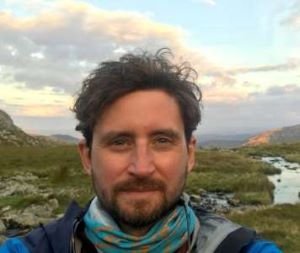
David Manley
Economic Policy
David Manley has worked on economic policy for almost 20 years. He’s covered the energy sector in emerging economies from energy taxes, carbon pricing, state companies, commodity trading, and critical minerals. He likes to see the connections.
He is currently working with governments in Vietnam, Indonesia and Philippines on the enabling conditions for a transition to more secure and cleaner energy system.
He is currently the Lead on Green Fiscal Policy at the International Institute for Sustainable Development, sits on the United Nations Committee for Environmental Taxation. He was previously the Lead on Energy Transition at the Natural Resource Governance Institute and a guest lecturer at the University of Oxford. He was educated at the London School of Economics.
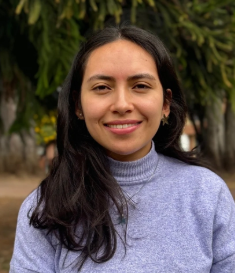
Paula Osorio
Degree in Electrical Engineering and Economics
She holds a degree in Electrical Engineering and Economics from the Universidad de los Andes, as well as a Master’s degree in Applied Economics from the same university. She has worked in Colombia’s energy sector for 6 years, both in energy markets and regulation, and is currently an Associate in Energy Diplomacy at Transforma, a Latin American think tank and advocacy organization that promotes climate action with a focus on justice to build a sustainable and resilient future, where she leads the study for reform of fossil fuels subsidies.