
About the conference
The International Conference on Defining the Road to Zero Carbon Prosperity will take place on 26–28 October 2026 at the Hong Kong University of Science and Technology (Guangzhou), China.
Building on the April 2026 conference on transitioning away from fossil fuels in Santa Marta, Colombia, it will explore how the transition can support economic prosperity, industrial transformation, and social wellbeing.
Zero Carbon Prosperity looks beyond replacing fossil fuels with renewable energy to consider how societies can build wellbeing without fossil fuels.
Agenda
14:30 – 14:45 Opening Remarks
14:45 – 15:50 Keynote Speeches
15:50–16:05 Tea Break
16:05–17:35 “South–North–South” Roundtable Dialogue
17:35 – 19:00 Welcome Dinner
7:00 – 9:00 Breakfast and Registration
9:00 – 10:30 Parrell Workstream Sessions
10:30 – 10:45 Tea Break
10:45 – 12:55 Parrell Workstream Sessions
12:00 – 14:30 Working Lunch
14:30 – 15:30 Parrell Workstream Sessions
15:30 – 15:45 Tea Break
15:45–17:30 Cross-cutting Topics Exchange Section
17:30–19:00 Dinner
8:30 – 8:50 Photo with all participants
9:00 – 10:30 Closing Plenary
10:30 – 10:45 Tea break
10:45 – 11:55 Zero Carbon Prosperity and COP 31
11:55–12:00 Closing Remark
12:00 – 13:30 Lunch
13:30 – 17:00 Field Trip and Site Visit
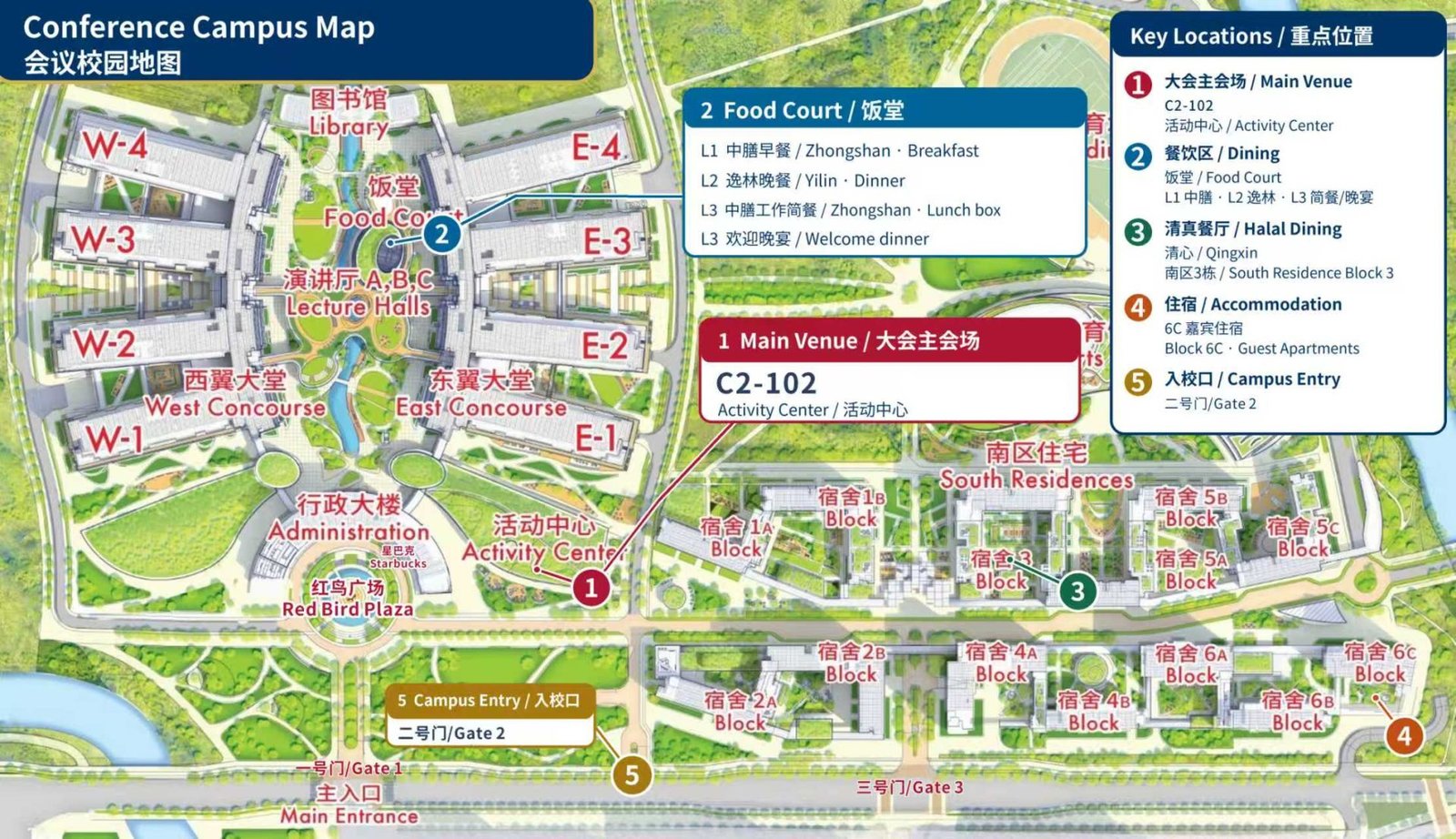
Campus Map
Thematic Workstreams
Health Benefits
This Health Benefits workstream is convened to centre human health within the Zero Carbon Prosperity (ZCP)
framework. While climate and decarbonisation pathways are widely discussed, health gains and health risks
are often underrepresented in ZCP planning.
Methane
This Methane workstream is convened to explore the role of methane mitigation in advancing the Zero Carbon Prosperity (ZCP) framework. While methane reduction is widely recognized as a critical strategy for near-term climate action, challenges related to emissions monitoring and measurement, mitigation technologies, emissions from energy, agriculture and waste sectors, and effective policy frameworks remain central to achieving ZCP.
Central Bank
This Central Banks workstream is convened to explore the role of central banks and financial systems in advancing the Zero Carbon Prosperity (ZCP) framework. While finance is essential to the green transition, challenges related to financial stability, inclusive green finance, policy options beyond carbon pricing, and cross-border financing remain critical to achieving ZCP.
Bringing Zero Carbon Prosperity to Life
This Bringing Zero Carbon Prosperity to Life workstream is convened to explore how the Zero Carbon Prosperity (ZCP) framework can be translated into practical actions and real-world solutions. While the vision of ZCP offers a pathway towards a sustainable and prosperous future, challenges related to policy implementation, technological innovation, community engagement, and cross-sector collaboration remain central to turning this vision into reality.
Maritime and Aviation Decarbonization
This workstream explores pathways to decarbonize maritime shipping and aviation within the Zero Carbon Prosperity (ZCP) framework. It examines technological solutions, policy frameworks, infrastructure needs, and opportunities for international cooperation to accelerate the transition toward low-emission transport.
Zero Carbon Prosperity Theory and Practice
This workstream examines the theoretical foundations and practical applications of the Zero Carbon Prosperity (ZCP) framework. It explores how conceptual approaches can inform policy design, institutional innovation, and real-world transition strategies to support sustainable economic and social development.
Food Security and Rural Development
This working group is grounded in the Zero‑Carbon Prosperity vision and explores
synergies and trade‑offs between energy transition, rural development and food
security.
Just Transition and Economic Diversification
The workstream will be structured around two connected sessions, taking the recommendations developed through the Santa Marta Academic Dialogue as a starting point and considering what they mean in the context of Zero Carbon Prosperity.
Earth Resilience Systems
The Earth Resilience Workstream brings together scientists, policymakers and practitioners from Asia, Africa, Latin America and beyond to consider what the latest science on climate risk means for decisions being taken now.
Cooperation on Critical Minerals Value Chains
This workstream explores opportunities for international cooperation across critical minerals value chains in support of Zero Carbon Prosperity (ZCP). It focuses on responsible mineral sourcing, supply chain resilience, sustainable processing and recycling, and equitable partnerships among resource-producing and consuming countries.
Organizing Committee
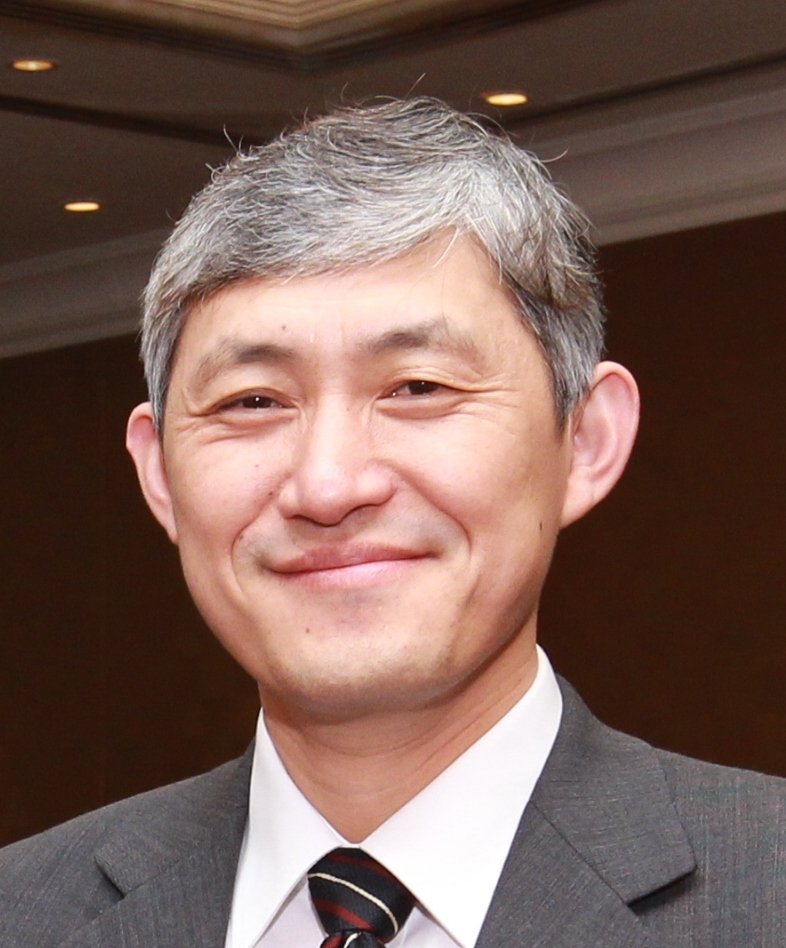
Kejun JIANG
Director
Kejun Jiang is Professor and Head of the Carbon Neutrality and Climate Change Thrust at The Hong Kong University of Science and Technology (Guangzhou). His research covers energy transition, integrated assessment modeling, policy assessment, climate change mitigation, emissions scenarios and sustainable development pathways.
He has worked on energy policy analysis at China’s Energy Research Institute since 1990 and began developing integrated assessment models for energy and greenhouse-gas emissions scenarios in 1994. He leads the Integrated Policy Assessment for China (IPAC) modeling team. Since 1997, he has contributed to multiple reports of the Intergovernmental Panel on Climate Change (IPCC) and to United Nations Environment Programme global environmental assessments. He earned a doctorate in social engineering from Tokyo Institute of Technology in 1999.
His recent research includes long-term energy and emissions scenarios, air-pollution control pathways, and the assessment of energy and carbon taxes.
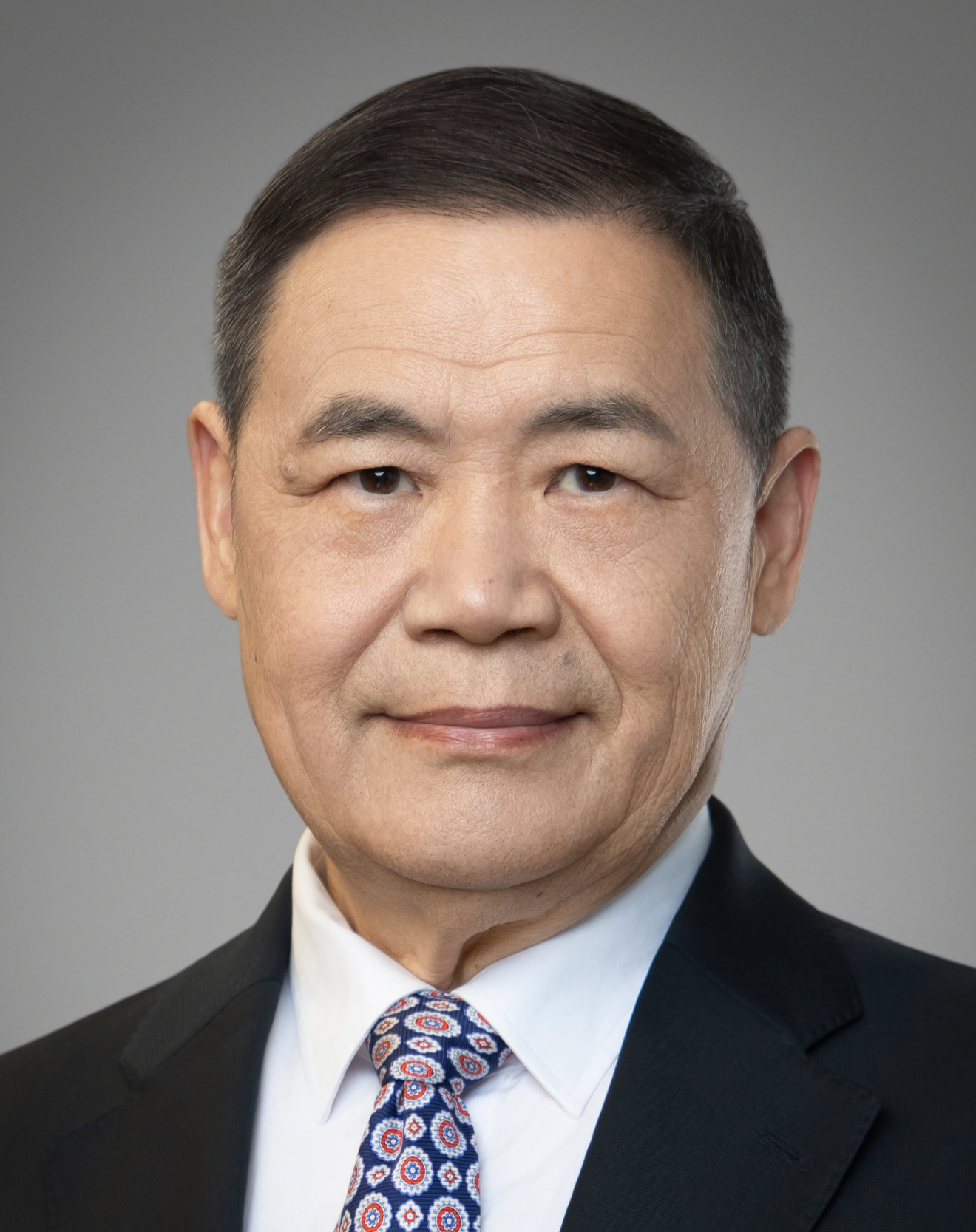
Jiahua PAN
Executive Director
Jiahua Pan is a Visiting Professor in the Carbon Neutrality and Climate Change Thrust at The Hong Kong University of Science and Technology (Guangzhou) and Executive Director of CGCS. His research spans sustainable urbanization, zero-carbon industrial parks and cities, energy and climate policy, global climate institutions, and ecological economics.
He previously directed the Institute of Eco-civilization Studies at the Chinese Academy of Social Sciences and served as Vice Chair of China’s National Expert Committee on Climate Change. He was a member of the independent group of scientists appointed by the United Nations Secretary-General to prepare the 2023 Global Sustainable Development Report, and has contributed to IPCC Working Group III. Earlier roles included the United Nations Development Programme’s Beijing office. He earned a PhD in environmental economics from the University of Cambridge in 1993.
His faculty profile highlights recognition including the Sun Yefang Economic Science Award and the China Environment Award.
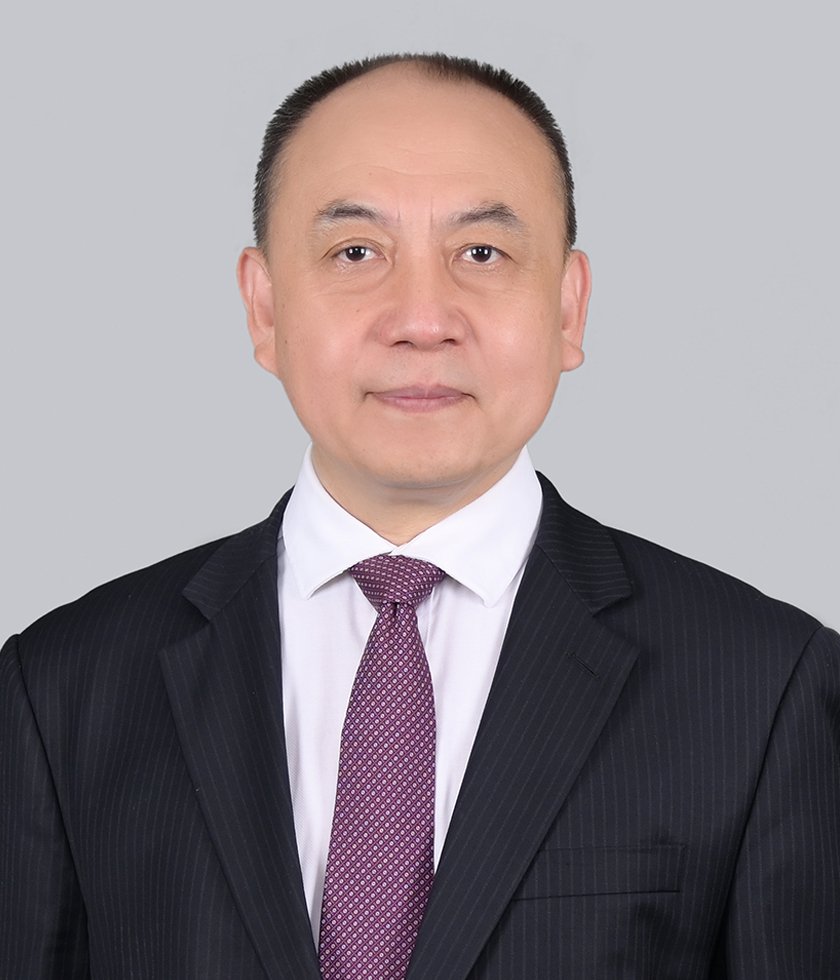
Ye QI
Distinguished Fellow
Ye Qi is Dean of the Society Hub and a Chair Professor at The Hong Kong University of Science and Technology (Guangzhou). His affiliations include the Innovation, Entrepreneurship and Public Policy Thrust and the Carbon Neutrality and Climate Change Thrust. His research focuses on climate change and environmental policy and governance, and on sustainability science and its applications.
Before joining HKUST(GZ), he held professorships at Tsinghua University and served as a senior fellow at the Brookings Institution and director of the Brookings-Tsinghua Center for Public Policy from 2014 to 2019. Earlier appointments included the University of California, Berkeley, Cornell University and Scripps Institution of Oceanography. He earned a PhD in environmental science from the State University of New York College of Environmental Science and Forestry and Syracuse University in 1994.
He has led annual research on China’s low-carbon development. Projects listed in his faculty profile include the Guangdong-Hong Kong Joint Laboratory for Carbon Neutrality Science and Technology, the Guangdong-Hong Kong Joint Laboratory for Water Security, and research on the institutional design of Hong Kong as a green finance center.
Jiaqi LU
Associate Director
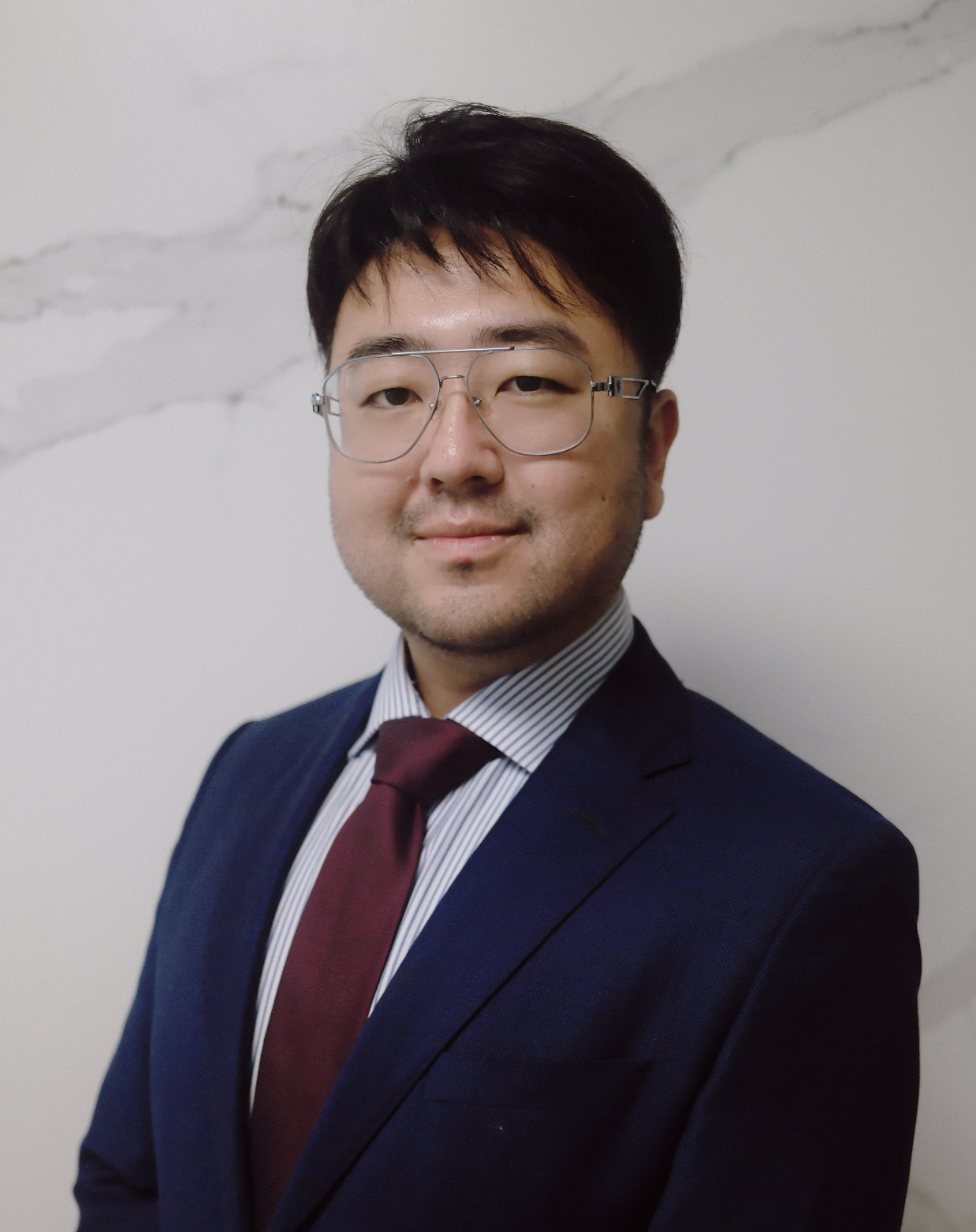
Jiaqi Lu is an Assistant Professor in the Carbon Neutrality and Climate Change Thrust at The Hong Kong University of Science and Technology (Guangzhou) and Associate Director of CGCS. His work focuses on global energy transitions, energy and climate policy, international climate governance, comparative environmental politics, and energy-technology innovation.
Before joining HKUST(GZ), he was a senior researcher at Boston University’s Global Development Policy Center and a postdoctoral researcher at Georgetown University’s School of Foreign Service. He also held a predoctoral research position at Harvard Kennedy School and worked on energy and climate policy at the Brookings Institution. He earned a joint PhD in political science and environmental science from the University of Wisconsin-Madison in 2023.
His research has appeared in Science, Nature Energy, Nature Geoscience, Renewable and Sustainable Energy Reviews, Energy Policy and other journals.