
About this Work Stream
Many of the building blocks for the transition are already in place, including national sectoral plans, international initiatives, and first-mover coalitions. The central challenge is to connect these efforts into coherent, whole-of-economy approaches that address both fossil fuel supply and demand, manage systemic risks, redirect finance, and deliver just, orderly, and equitable outcomes. This workstream discusses those critical issues for implementation of the TAFF with a diverse group of scholars and practitioners, aiming to provide recommendations to inform any process for planning national and international TAFF plans and roadmaps.

Natalie Jones
Senior Policy Advisor in IISD’s Energy Program
Natalie Jones is a senior policy advisor in IISD’s Energy Program. Her work focuses on a managed phase-out of oil and gas production in line with the Paris Agreement goals, including via international public finance.
Before joining IISD, Natalie carried out postdoctoral research at the Centre for the Study of Existential Risk at the University of Cambridge. Natalie has also worked with the Stockholm Environment Institute, IISD’s Earth Negotiations Bulletin, the Urgenda Foundation’s Climate Litigation Network, the Interamerican Association for Environmental Defence, the All-Party Parliamentary Group for Future Generations, various youth climate campaign organizations, and as a judges’ clerk in the High Court of New Zealand.
Natalie holds a PhD and LLM in international law from the University of Cambridge and undergraduate degrees in physics and law from the University of Canterbury. She is an admitted barrister and solicitor in Aotearoa New Zealand. Natalie is based in London.
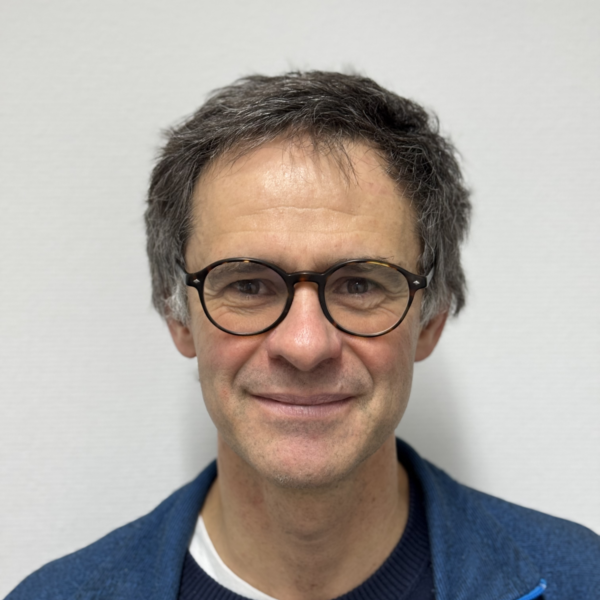
Claudio Forner
Head of Climate Policy
Claudio Forner is the Head of Climate Policy working out of Climate Analytics’ Berlin office. He brings over 25 years’ experience working on climate change with a focus on international climate policy and the intersection between intergovernmental cooperation and national climate policy. Most of his professional career has been dedicated to the UNFCCC process, where he was charged with supporting governments with developing and implementing policy on the role of forests on climate policy, the setting of quantitative commitments under the Kyoto Protocol, modalities for the clean development mechanism, and overall mitigation action under the UNFCCC and the Paris Agreement. Beyond the UNFCCC, Claudio has been engaged in climate finance and macroeconomic policy at the World Bank, and researched the strength and benefits of intergovernmental cooperation at WRI.
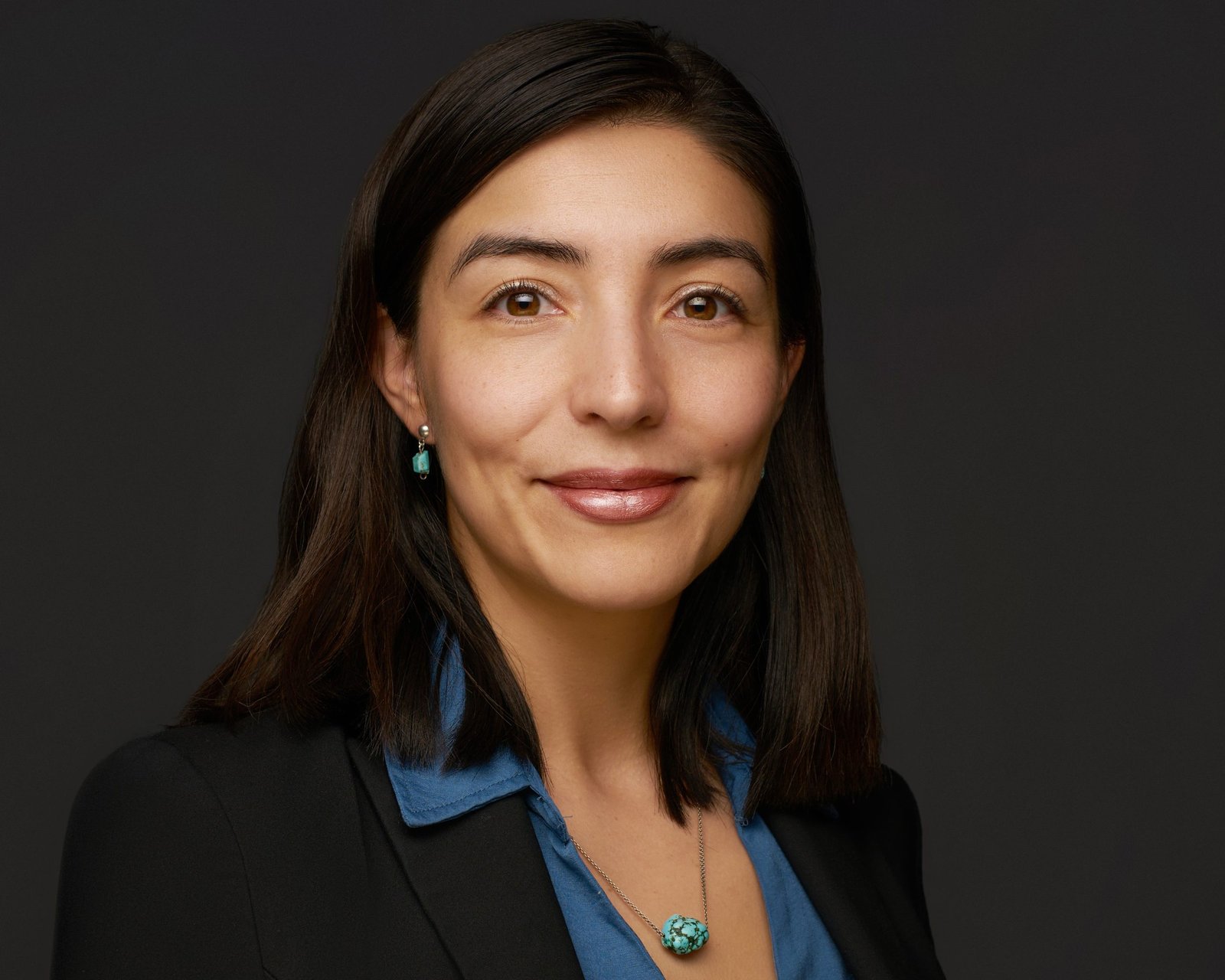
Paola Yanguas Parra
Policy Advisor in IISD’s Energy Program
Paola Yanguas Parra is a policy advisor in IISD’s Energy Program. Her work focuses on a managed phase-out of oil and gas production in line with the Paris Agreement goals, with an emphasis on fossil fuel producers. Before joining IISD, Paola led the academic coordination of the Transnational Centre for Just Transitions in Energy, Climate & Sustainability. She also conducted research on the public policy implications of the Paris Agreement, with an emphasis on climate change mitigation strategies for Global South countries, Just Energy Transition, and Fossil Fuels Phaseout for Climate Analytics and the FossilExit Research Group. Paola holds a PhD in economics from Technische Universität Berlin, a master’s degree in Public Policy from the Hertie School of Governance, and an undergraduate degree in economics from the Universidad Nacional de Colombia. In parallel to her role at IISD, Paola works as a Postdoctoral Researcher in the Sustainability Transitions field at the School of Engineering of the ZHAW. Paola is based in Zürich.
Agenda
10:00–10:10
Welcome and housekeeping
10:10–11:10
Series of 8-10-minute invited interventions on lessons learned from existing transition plans
11:10–11:15
Break
11:15–11:45
Breakouts to identify which transferable lessons can be derived, esp. for roadmaps in Global South countries (most likely 4 topics – chosen in advance or asking within the room for topics with biggest interest)
11:45–12:00
Report-backs from breakouts, next steps
13:30–13:35
Introduction to the session, and housekeeping
13:35–14:20
Series of 10-minute invited interventions on principles and norms for national roadmaps & what a good roadmap looks like / focus on positive stories, enablers
14:20–14:40
Breakouts
14:40–14:50
Report-backs from breakouts
14:50–15:25
Second round of interventions
15:25–15:45
Breakouts
15:45–15:55
Report-backs from breakouts, next steps
09:30–09:35
Introduction to the session
09:35–10:35
International roadmaps
10:35–10:40
Break
10:40–11:20
Breakout groups
11:20–11:40
Report-backs from breakouts
11:40–12:10